Table Of Content
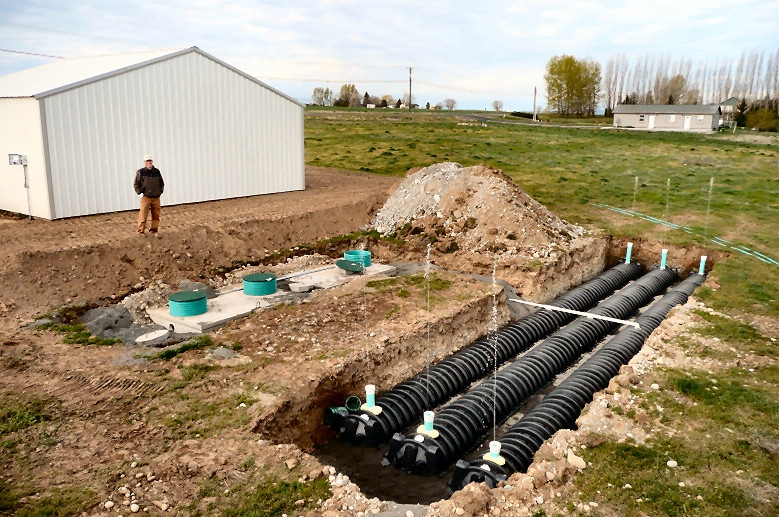
To find wastewater professionals in your area, check out The National Onsite Wastewater Recycling Association (NOWRA). The Soil – The ultimate treatment and disposal of septic tank effluent takes place in the soil under the drainfield. The Soil – The soil under the drainfield is responsible for the ultimate treatment and disposal of the septic tank effluent once it has been treated. Septic tanks are typically rectangular in shape and measure approximately 5 feet by 8 feet. In most cases, septic tank components including the lid, are buried between 4 inches and 4 feet underground.

How do you find a septic tank in an old house?
By understanding the key features of these designs, homeowners can better assess the functionality and maintenance requirements of their septic systems. These advancements resulted in more efficient and environmentally friendly septic systems, providing homeowners with reliable waste management solutions. Overall, the 1970s septic tank design revolutionized the industry and laid the groundwork for future advancements in the field.
What are the dimensions of a 500 gallon concrete septic tank?
Examine the tank’s circumference to determine its edges and draw a rectangle around them. In the center of the rectangle will be a single concrete lid measuring 24 inches in diameter, which was erected before to 1975. If the tank was built after 1975, it will have two caps made of fiberglass or polyethylene, positioned at the ends of the rectangle and centered in the middle of each compartment. Septic tanks should be cleaned every 3 to 5 years, depending on the size of the household and how much water is used. When the septic tank is pump out on a regular basis, it will help to reduce the buildup of scum and sludge layers in the tank.
Keep a Record of Pump-outs
What Septic Systems Are and How They Function For the most part, households that are not serviced by public sewers are reliant on septic systems to treat and dispose of their waste. Septic systems are expensive and require a significant financial outlay of resources. A well-designed, installed, and maintained system will provide years of dependable, low-cost service if it is properly cared for over its lifetime.
In this article, we will take a closer look at the 1975 septic tank design, its advantages and disadvantages, and the necessary maintenance and upkeep required to keep it functioning properly. Electronic monitoring systems emerged as an essential component of septic tank design during the 1970s. These systems included sensors and alarms that could detect issues such as high water levels, pump failures, or leaks.
The Civil Engineering Firm for Septic Systems
Understanding the evolution of septic tank design allows us to better appreciate the ingenuity and progress made over the years. System design approvals may be submitted to your local Building and Safety Department to obtain building permits for proposed projects. Acorn Onsite, Inc. provides septic system engineering services in all counties throughout northern California and central California. "The size of the septic tank is determined by the number of bedrooms in almost all cases." While mound systems can be a good solution for certain soil conditions, they require a substantial amount of space and periodic maintenance.
Did Not Require Any Moving Parts
Mound systems are an option in areas of shallow soil depth, high groundwater, or shallow bedrock. Effluent from the septic tank flows to a pump chamber where it is pumped to the mound in prescribed doses. Treatment of the effluent occurs as it discharges to the trench and filters through the sand, and then disperses into the native soil. As a viable alternative to the more frequent gravel field technique, chamber systems have been in use since the 1970s. It is common to employ chamber systems in places where the water table is high, as they reduce the likelihood of poor drainage and messy back-ups. Another need for this system is a sequence of linked pipelines and chambers, with the chambers being completely enclosed by soil.
The history of local septic tanks
This led to a shift in septic tank design, with a focus on improving efficiency and minimizing the impact on the surrounding environment. In contrast to conventional septic systems, the Evapotranspiration System’s drain field is housed in a closed, waterproof field that is covered with layers of gravel and sand to keep out the elements. Once the wastewater has passed through the septic tank and into the waterproof drain field, it begins to evaporate slowly. It is important to note that, unlike other septic systems, the effluent never filters into the soil. When compared to the alternatives, the ease of installation, maintenance, and use is superior. Drain fields were essential components of these systems, facilitating the disposal of effluent into the surrounding soil.
How Much Does Leach Field Replacement Cost In 2024? - Forbes
How Much Does Leach Field Replacement Cost In 2024?.
Posted: Wed, 28 Feb 2024 08:00:00 GMT [source]
Regular Pumping and Maintenance
In most cases, septic tanks will not need to be changed after a specific number of years. Homeowners should not wait until they are experiencing issues before considering tank replacement. The majority of older septic systems that have been properly maintained are still in good working order today. Septic systems are inspected by a professional septic inspector to determine their condition.

The waste from most septic tanks flows to a soakaway system or a drainage field. If your septic tank doesn’t have a drainage field or soakaway system, the waste water will instead flow through a sealed pipe and empty straight into a ditch or a local water course. A 1970s septic tank design operates by separating solids from wastewater, allowing the solids to settle at the bottom while the clarified liquid is discharged into the drain field. This ensured that the septic system could effectively handle and treat the waste generated.
Maintain a minimum distance of 30 feet between trees and shrubs and the drainage field. Whenever the soil beneath a drainfield is not saturated, the drainage efficiency of the drainfield is greatest. 2) THE DRAINFEILD SYSTEM An underground network of perforated pipes (also known as “laterals”) is laid in gravel-filled trenches or beds to create a drainage system. It is because of this that the drainfield gradually becomes clogged and eventually fails, resulting in sewage backing up into the house or effluent leaking out into the street.
To locate your septic tank, it is most likely the most straightforward method of looking through the building blueprints for your home that were prepared by the town. In order to be unobtrusive, the majority of septic tanks are placed in a discreet manner. If you’ve recently purchased a property that has a septic tank, you’re likely to have a lot of questions. Contact a septic pumping provider and have your septic system cleaned and pumped out as soon as possible.


No comments:
Post a Comment